




Weed Control Fabric: Applications and Usage Scenarios in Modern Landscaping and Agriculture
Abstract
Weed control fabric, also known as landscape fabric, weed barrier fabric, or agrotextile, is a permeable geotextile specifically designed to suppress weed growth while allowing water and air to penetrate the soil. Manufactured primarily from polypropylene or polyester, these fabrics serve as physical barriers that block sunlight—the essential energy source for weed germination and growth. This article explores the composition, mechanisms, and diverse application scenarios of weed control fabric across agriculture, landscaping, horticulture, and civil engineering.
1. Introduction: The Science of Weed Suppression
Weed control fabric represents a specialized category of geotextiles engineered for one primary purpose: preventing unwanted vegetation growth without the use of chemical herbicides. Unlike impermeable plastic sheeting, weed barrier fabrics are designed to be water-permeable and air-permeable, allowing moisture and oxygen to reach plant roots and soil organisms while blocking the light that weed seeds require for germination.
The global weed control fabric market has experienced significant growth, driven by:
Increasing demand for chemical-free weed management
Expansion of commercial agriculture and horticulture
Growing adoption in landscaping and urban greening projects
Rising labor costs for manual weeding
This article provides a comprehensive examination of weed control fabric applications across multiple sectors, highlighting specific use cases, performance benefits, and design considerations.
2. Core Mechanisms of Weed Suppression
Weed control fabric functions through several complementary mechanisms:
Light Exclusion (Primary Mechanism):
The opaque fabric blocks photosynthetically active radiation (PAR), preventing weed seeds from germinating and existing weeds from photosynthesizing. Complete light exclusion is essential for effective suppression.
Physical Barrier:
The fabric creates a physical impediment that prevents weed shoots from emerging through the surface. Woven fabrics with tight weave patterns are particularly effective.
Mulching Effect:
By covering the soil surface, weed fabric moderates soil temperature and moisture, creating conditions less favorable for weed seed germination.
Water and Air Permeability:
Unlike plastic sheeting, quality weed fabrics allow water and air to pass through, maintaining soil health and supporting the growth of desired plants.
3. Major Application Scenarios
3.1 Agriculture and Crop Production
Row Crop Production:
Weed control fabric is extensively used in row crop cultivation, particularly for high-value crops such as:
Vegetables (tomatoes, peppers, cucumbers, lettuce)
Strawberries and small fruits
Melons and squash
Cut flowers
The fabric is laid between rows or as a full-bed mulch, eliminating competition from weeds while allowing crop plants to grow through pre-cut holes or planting slots. Benefits include:
Reduced labor for manual weeding
Elimination of herbicide applications
Improved soil moisture retention
Cleaner harvest (fruit stays off bare soil)
Orchard and Vineyard Management:
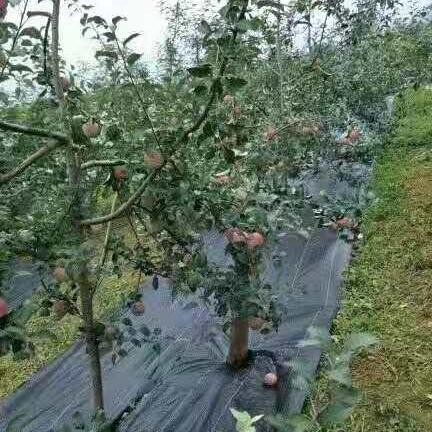
In fruit tree orchards and vineyards, weed control fabric is installed along tree rows or vine rows to:
Eliminate weed competition for water and nutrients
Reduce habitat for pests and rodents
Facilitate harvest operations
Maintain clean, accessible rows
Field Nursery and Container Production:
Commercial nurseries use weed barrier fabric beneath container-grown plants and in field-grown nursery stock production. The fabric:
Prevents weed growth in production areas
Reduces labor costs for maintenance
Keeps containers clean and saleable
Facilitates efficient irrigation management
Organic Farming:
For certified organic operations where synthetic herbicides are prohibited, weed control fabric provides an essential tool for weed management. Biodegradable options are available for applications where long-term soil coverage is not desired.
3.2 Horticulture and Landscaping
Residential Gardens and Flower Beds:
Home gardeners and landscape professionals use weed fabric in:
Perennial flower beds
Shrub borders
Foundation plantings
Vegetable gardens
The fabric is installed beneath mulch (wood chips, bark, gravel) to create a dual-layer weed suppression system. Benefits include:
Long-term weed prevention
Reduced garden maintenance
Professional, finished appearance
Commercial Landscaping:
In commercial and municipal landscaping, weed control fabric is used in:
Parking lot islands and medians
Office park plantings
Streetscape plantings
Hotel and resort grounds
These applications require durable, long-lasting fabrics that can withstand foot traffic and maintenance operations.
Xeriscaping and Drought-Tolerant Landscapes:
In water-wise landscaping, weed fabric helps conserve soil moisture while suppressing weeds that would compete for limited water resources.
3.3 Tree and Shrub Planting
Tree Wells and Planting Circles:
Weed control fabric is installed around the base of newly planted trees and shrubs to:
Eliminate competition from weeds and grasses
Reduce maintenance requirements
Protect trunks from string trimmer damage
Conserve soil moisture during establishment
Forestry and Reforestation:
In commercial forestry and reforestation projects, weed fabric is used to:
Reduce competition from herbaceous weeds and grasses
Improve seedling survival and growth rates
Reduce herbicide use in forest management
Street Tree Planting:
Urban forestry programs use weed fabric around street trees to:
Reduce maintenance costs
Conserve water in harsh urban environments
Create a neat, professional appearance
3.4 Greenhouse and Protected Cultivation
Greenhouse Floors:
Weed control fabric is commonly used as a floor covering in greenhouses and high tunnels. Functions include:
Preventing weed growth on greenhouse floors
Reducing humidity and disease pressure
Creating a clean, hygienic growing environment
Facilitating water drainage and cleanup
Bench and Table Coverings:
In propagation and production areas, weed fabric covers benches and tables to suppress algae and weed growth while allowing water drainage.
Container Yard Surfaces:
Outdoor container production areas use heavy-duty weed fabric to prevent weed growth between containers, reducing labor and improving appearance.
3.5 Hardscape and Construction
Under Decks and Walkways:
Weed control fabric is installed beneath decks, boardwalks, and gravel pathways to prevent weed emergence through the surface.
Between Pavers and Flagstones:
In permeable paving systems, weed fabric is placed beneath gravel or sand joints to suppress weed growth while maintaining drainage.
Retaining Wall Backfill:
Weed fabric is sometimes used behind retaining walls to prevent weed growth in wall joints and reduce soil migration.
Green Roofs:
In green roof systems, weed control fabric can be incorporated as a filter layer to prevent weed seeds from germinating in drainage layers.
3.6 Erosion Control and Slope Stabilization
Combined Weed and Erosion Control:
Certain woven fabrics serve dual purposes—weed suppression and erosion control. These are used on:
Roadside slopes
Construction site perimeters
Streambanks and channels
Landfill caps
Vegetation Establishment:
Weed fabric can be used to suppress weeds while desired vegetation establishes on disturbed sites. Once vegetation is established, the fabric may be removed or left in place depending on design.
3.7 Specialized Applications
Solar Farm Vegetation Management:
Weed control fabric is increasingly used beneath solar panel arrays to:
Prevent vegetation growth that could shade panels
Reduce maintenance costs for mowing and weed control
Eliminate fire risk from dry vegetation
Facilitate access for maintenance
Railway and Highway Vegetation Control:
Weed fabric is used along transportation corridors to:
Maintain clear sight lines
Reduce maintenance costs
Prevent vegetation encroachment on infrastructure
Mine Site Rehabilitation:
In mine reclamation, weed fabric can be used to suppress invasive species while native vegetation establishes.
Golf Course and Sports Field Maintenance:
Weed fabric is used in:
Golf course bunker linings
Under synthetic turf installations
Around irrigation heads and utility boxes
In native areas and roughs
Cemetery and Memorial Gardens:
Weed control fabric is used in cemeteries to maintain neat, weed-free grave sites with minimal maintenance.
4. Installation Best Practices
Proper installation is critical for effective weed suppression:
Site Preparation:
Remove existing weeds and vegetation
Level and compact the soil surface
Remove sharp objects that could puncture the fabric
Fabric Selection:
Choose appropriate weight and type for the application
Consider UV exposure and expected service life
Select proper width to minimize seams
Installation Techniques:
Unroll fabric and allow it to relax
Overlap seams by 10–15 cm (4–6 inches)
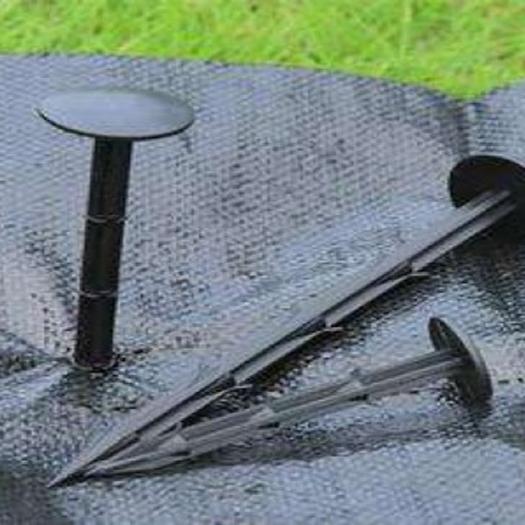
Secure edges with landscape staples or anchor trenches
Cut holes for desired plants using an X-pattern
Cover Layer:
Apply mulch, gravel, or soil over the fabric where desired
Maintain adequate coverage to protect fabric from UV degradation
Maintenance:
Inspect periodically for tears or displacement
Remove accumulated organic matter that could support weed growth
Repair damaged sections promptly
5. Environmental and Sustainability Considerations
Reduced Herbicide Use:
Weed control fabric significantly reduces or eliminates the need for chemical herbicides, benefiting:
Water quality (reduced runoff contamination)
Soil health (no chemical residues)
Human health (reduced exposure for workers and public)
Biodiversity (no non-target effects)
Water Conservation:
By reducing evaporation from the soil surface, weed fabric contributes to water conservation—a critical benefit in arid and drought-prone regions.
Biodegradable Options:
For organic farming and temporary applications, biodegradable weed fabrics (made from PLA, starch, or natural fibers) offer:
Compostability at end of life
No microplastic residue
Alignment with organic certification requirements
Recycled Content:
Some manufacturers offer weed control fabrics made from recycled plastics, reducing demand for virgin materials.
Life Cycle Assessment:
While synthetic weed fabrics have an environmental footprint from manufacturing, their long service life (10–25 years) and contribution to reduced herbicide use and water consumption often result in a net environmental benefit.
6. Future Trends and Innovations
Smart Weed Control Fabrics:
Emerging technologies integrate sensors and monitoring capabilities into weed fabrics, enabling:
Real-time soil moisture monitoring
Early detection of weed emergence
Integration with precision irrigation systems
Biodegradable and Bio-Based Fabrics:
Ongoing research focuses on:
Improved biodegradable polymers with longer service life
Natural fiber composites (jute, hemp, kenaf)
Compostable fabrics for organic agriculture
Multi-Functional Geocomposites:
Development of fabrics that combine:
Weed suppression
Drainage
Filtration
Reinforcement
Root barrier properties
Recycled Content Advancements:
Increasing use of post-consumer and post-industrial recycled plastics in weed fabric manufacturing, supporting circular economy principles.
Precision Agriculture Integration:
Weed fabrics designed for use with precision agriculture systems, including:
Compatibility with GPS-guided installation equipment
Integration with drip irrigation systems
Use with robotic weeding platforms
7. Conclusion
Weed control fabric has become an indispensable tool in modern agriculture, horticulture, landscaping, and civil engineering. Its ability to suppress weeds without chemicals—while maintaining water and air permeability—addresses both practical and environmental imperatives.
From commercial vegetable production to residential flower beds, from solar farm maintenance to mine site rehabilitation, weed control fabric delivers consistent, long-term performance across an extraordinary range of applications. The fabric's core mechanism—light exclusion—is simple yet highly effective, providing a physical barrier that eliminates the need for herbicides and dramatically reduces labor requirements.
As the global demand for sustainable, chemical-free weed management continues to rise, the weed control fabric market is poised for continued growth. Innovations in biodegradable materials, recycled content, and smart fabric technologies will further expand the applicability and environmental benefits of these versatile geotextiles.
The key to successful implementation lies in selecting the appropriate fabric type and weight, ensuring proper installation, and providing adequate cover and maintenance. When correctly applied, weed control fabric represents a cost-effective, environmentally responsible solution to one of the most persistent challenges in land management: the control of unwanted vegetation.
Inquiry about this product
Related Recommendations
If there is no accurate search result, please contact us and we will respond within 24 hours.