




Ground Protection Mats: Essential Engineering Tools for Surface Protection and Site Safety
Ground protection mats are temporary roadways or platforms designed to be laid over unstable or sensitive ground surfaces. They protect the underlying terrain from damage caused by heavy equipment and vehicles while preventing vehicles from becoming stuck in soft soils. These products are widely used in construction sites, oil fields, landscaping, large-scale events, and mining operations, making them an indispensable tool in modern project management.
1. Common Types
Several types of ground protection mats are currently available on the market, each suited for specific applications:
Heavy-Duty Excavator Mats: Manufactured from high-density polyethylene (HDPE) or reinforced plywood, these mats offer extremely high load-bearing capacity. They are ideal for heavy machinery such as excavators and bulldozers operating in soft mud or uneven terrain.
Composite Mats: Made from materials like plastic reinforced with fiberglass, these mats are lightweight and highly resistant to chemical corrosion. They are particularly well-suited for harsh industrial environments such as refineries and chemical plants.
Laminated Wood Mats: Constructed from multiple layers of bonded plywood, these mats are cost-effective and offer good flexibility. They are commonly used in transmission line projects, forestry work, and other scenarios where aesthetic impact is a consideration.
Oilfield Mats: Specifically designed for the energy sector, these HDPE mats feature non-slip surfaces and buoyancy, making them ideal for wetlands and remote drilling sites.
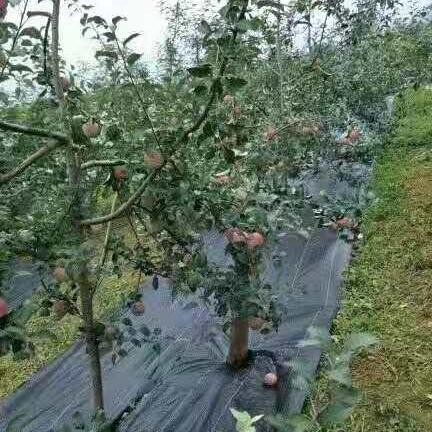
Agri-Mats / Turf Protection Mats: Lightweight plastic mats used in agriculture to allow personnel and equipment to access fields without compacting soil or damaging crops.
The table below summarizes the key specifications of each product type:
Type Primary Material Load Capacity Typical Applications Expected Lifespan
Heavy-Duty Excavator Mats HDPE / Reinforced Plywood Extremely High Muddy, soft, or uneven terrain 5–10 years
Composite Mats Plastic-Fiberglass Composite High Chemical plants, industrial sites 8–12 years
Laminated Wood Mats Laminated Plywood Medium to High Forestry, transmission corridors 2–4 years
Oilfield Mats High-Density Polyethylene Extremely High Wetlands, drilling sites 6–10 years
Agri-Mats / Turf Mats Lightweight Plastic Low to Medium Orchards, agricultural land 1–3 years
2. Key Material Properties
The choice of material directly affects the performance and suitability of the mat for different environments. The mainstream materials include:
High-Density Polyethylene (HDPE): High strength, lightweight, resistant to chemical corrosion and UV radiation, and recyclable. HDPE is currently the most widely used material.
Wood: Traditional plywood or hardwood laminated panels. These offer good strength and lower cost but are susceptible to moisture absorption and rot, requiring regular maintenance in humid environments.
Metal: Steel or aluminum alloy construction provides the highest load-bearing capacity and structural rigidity. However, these mats are heavy, costly, and steel versions require rust prevention treatments.
Composites: Fiberglass-reinforced polymers combine lightweight properties with high strength and corrosion resistance, making them suitable for extreme environments like offshore platforms.
A durability comparison of different materials is shown below:
Material Type Average Lifespan Key Durability Factors Maintenance Requirements
Plastic (HDPE) 5–10 years UV, chemical, and moisture resistance Regular cleaning
Wood 3–5 years Susceptible to rot and warping Preservative treatment, dry storage
Metal 10+ years Steel requires rust prevention; very high load capacity Corrosion inspection, repainting
Composites 10–15 years Corrosion and aging resistant Minimal maintenance required
3. Primary Applications
Ground protection mats play a critical role across a wide range of industries:
Construction Sites: Protecting finished landscaping and vegetation from damage by excavators and cranes. These mats also help meet stringent OSHA and ASME requirements for stable crane foundations.
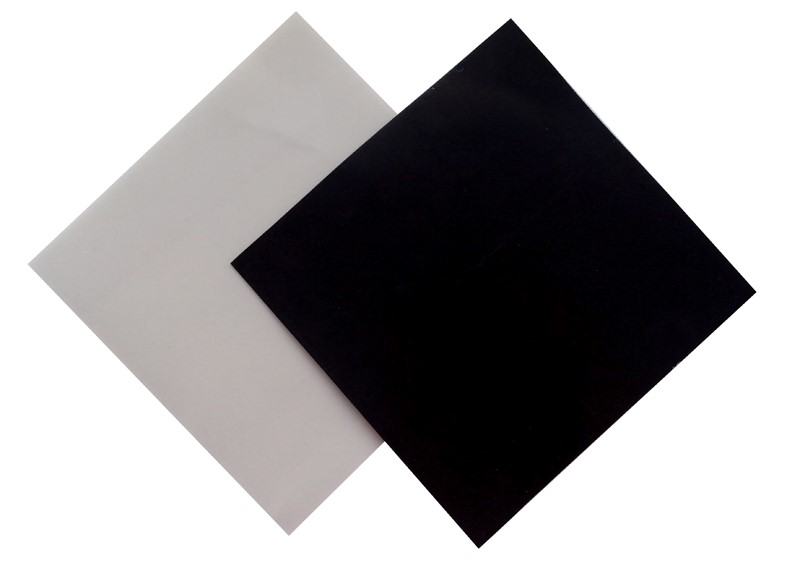
Events & Festivals: Creating temporary walkways to prevent grassed areas from being trampled and damaged. White HDPE mats reflect sunlight effectively in high temperatures, helping to prevent grass from yellowing.
Landscaping & Grounds Maintenance: Protecting tree root systems and shallow irrigation networks, ensuring that heavy vehicles do not damage valuable landscape features.
Mining Operations: Providing stable working platforms for heavy haul trucks and drilling rigs, preventing ground collapse and ensuring operational safety.
Oil & Gas Fields: Establishing temporary working platforms in sensitive environments such as wetlands and marshes, minimizing ecological impact.
Inquiry about this product
Related Recommendations
If there is no accurate search result, please contact us and we will respond within 24 hours.